
Stop Telling People About Your Brand. Invite Them Into It.
This year’s World Cup has spotlighted a phenomenon that’s often more exciting than the matches themselves.
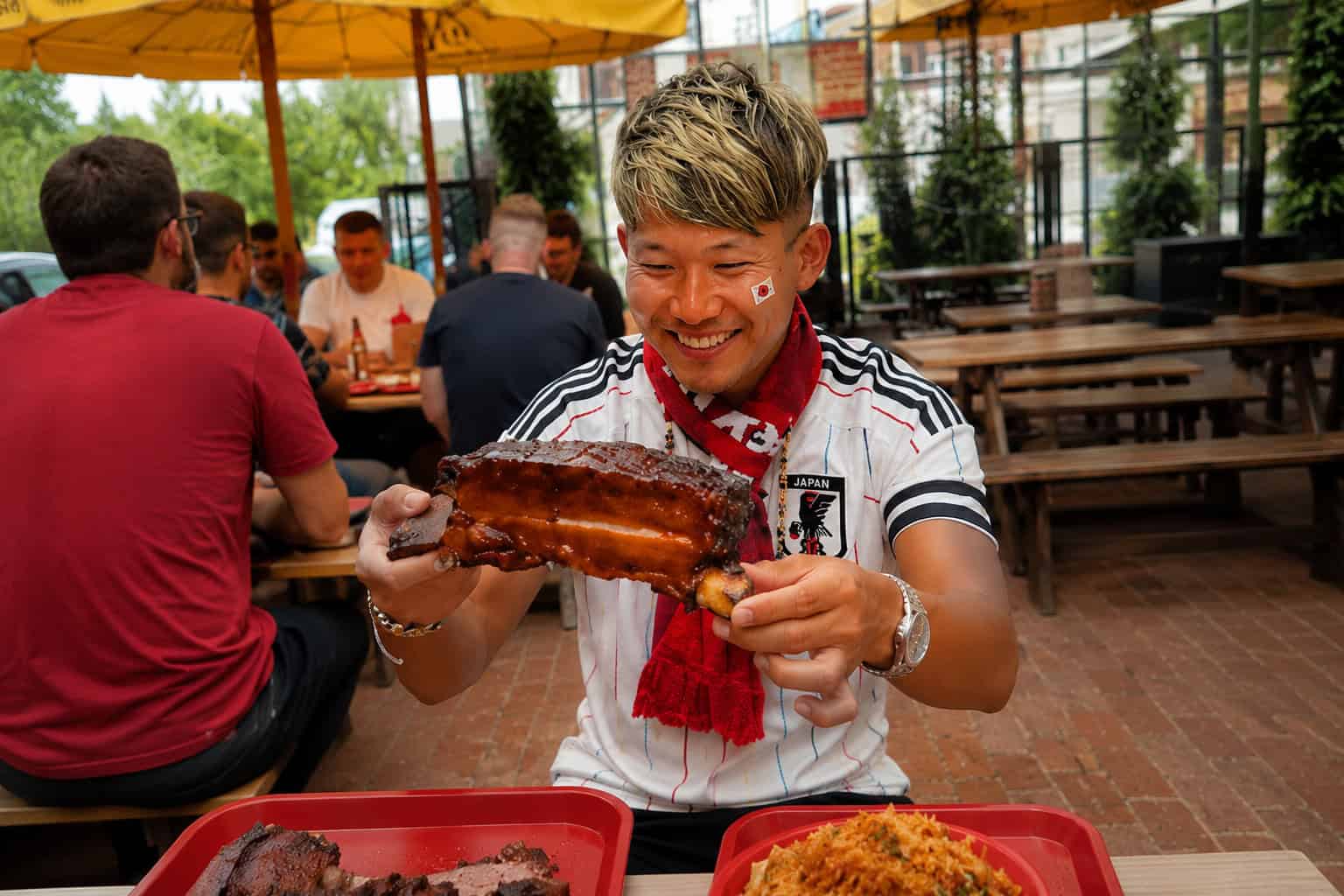
Social media has been flooded with videos of visitors enthusiastically embracing American culture—trying American foods, learning local traditions, exploring (with contagious joy) American stores like Wal-Mart and Costco. The Japanese fan tasting Texas bbq for the first time is especially endearing.
What’s most striking isn’t simply that people are enjoying themselves. It’s how quickly a casual curiosity turns into a strong connection. These international soccer fans didn’t become excited because someone handed them a brochure explaining American culture. They became excited because they experienced it.
There’s an important lesson here for marketers.
Information Builds Awareness. Experiences Build Affection.
Many organizations approach marketing as a way to communicate information. “Here’s what we do.” “Here’s our product. Here’s our service.” “Here’s why we’re different.”
And those things do matter. But they’re rarely what people remember. The brands people return to are the ones that make them feel like they’re participating in something—not just observing it.
That doesn’t require a massive campaign. Often, it’s the small touchpoints that invite people in.
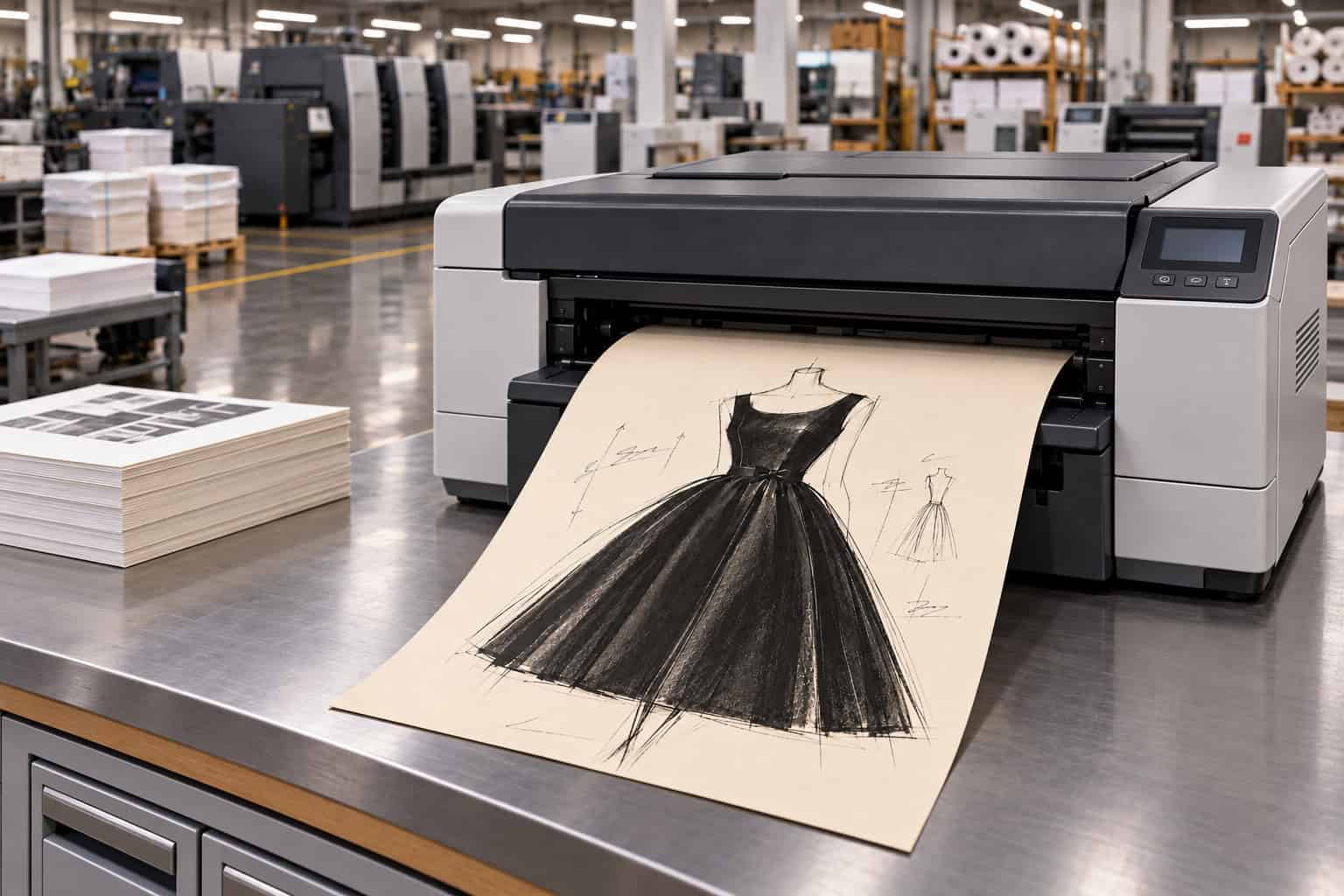
In Print, Create Something Worth Keeping
Printed materials have an advantage digital media often doesn’t: they occupy physical space.
Instead of asking, “How much information can we fit on this page?” ask, “Is this something someone would actually want to keep?”
That might mean:
- premium paper stocks that communicate quality
- thoughtful photography instead of generic stock imagery
- stories instead of specifications
- QR codes that unlock additional content
- clean, intentional design that encourages readers to slow down
One great example: Patagonia catalogs. Patagonia’s catalogs are famous because they’re often half magazine, half catalog. Instead of leading with products, they feature essays, environmental stories, adventure photography, and profiles of climbers and conservationists. The products almost become secondary.
Patagonia doesn’t ask, “How can we sell another jacket?” It asks, “How can we invite readers into the Patagonia lifestyle?”
Promotional Products Should Start Conversations
Too often, promotional products become giveaways—and ultimately, throwaways. The best ones become part of someone’s routine.
Think about the YETI sticker. People proudly display it on water bottles, laptops, and vehicles—not because they’re being paid to advertise the brand, but because it represents a lifestyle they identify with.
Or consider some of the more famous corporate onboarding kits, including company swag for new employees. The onboarding kits from Google have become somewhat legendary for their novelty and style.
When you’re developing promotional materials for conferences or corporate use, consider that key aspect: Don’t ask, “What can we put our logo on?” Ask, “What will people still be using six months from now?”
Video Lets People Experience Your Brand
Video may be the closest thing to inviting someone through your front door.
The most memorable brand videos don’t spend much time talking about products, services, or even the company itself. Instead, they create an experience that allows viewers to understand the brand without having it explained.
Consider Apple’s Behind the Mac campaign. The videos aren’t really about computers. They’re about artists, musicians, filmmakers, and entrepreneurs creating remarkable work. Apple quietly fades into the background while viewers connect with the possibilities the brand represents.
Or think about ESPN’s legendary This Is SportsCenter commercials. Rather than telling audiences the network is fun, quirky, and passionate about sports, the spots simply let viewers spend a few humorous moments inside ESPN’s world. The irreverent personality of the brand comes through naturally—no explanation required.
Airbnb follows a similar philosophy. Its best campaigns rarely focus on booking accommodations. Instead, they celebrate hosts, neighborhoods, and the feeling of belonging somewhere new. Viewers aren’t being sold a room; they’re being invited into an experience.
The common thread is simple: show, don’t tell.
Whether it’s employees collaborating, customers sharing their stories, or behind-the-scenes moments that reveal your organization’s personality, authenticity creates connection. The goal isn’t simply to produce a polished video. It’s to make viewers feel like they’ve already spent a little time with your brand—and leave them wanting to experience more.
Think in Invitations, Not Advertisements
So before launching your next campaign, consider asking yourself a simple question: Does this piece simply tell people about us—or does it invite them to experience who we are?
That shift in perspective can change everything. A brochure becomes a conversation starter. A promotional product becomes a cherished reminder. A video becomes a meaningful invitation.
The World Cup has reminded us that people don’t fall in love with a place because someone explains it to them. They fall in love with it because they’re welcomed into it—because they experience its people, traditions, hospitality, and culture firsthand.
Brands work the same way.
The organizations people remember aren’t always the ones that tell the best story. They’re the ones that invite people to become part of it.