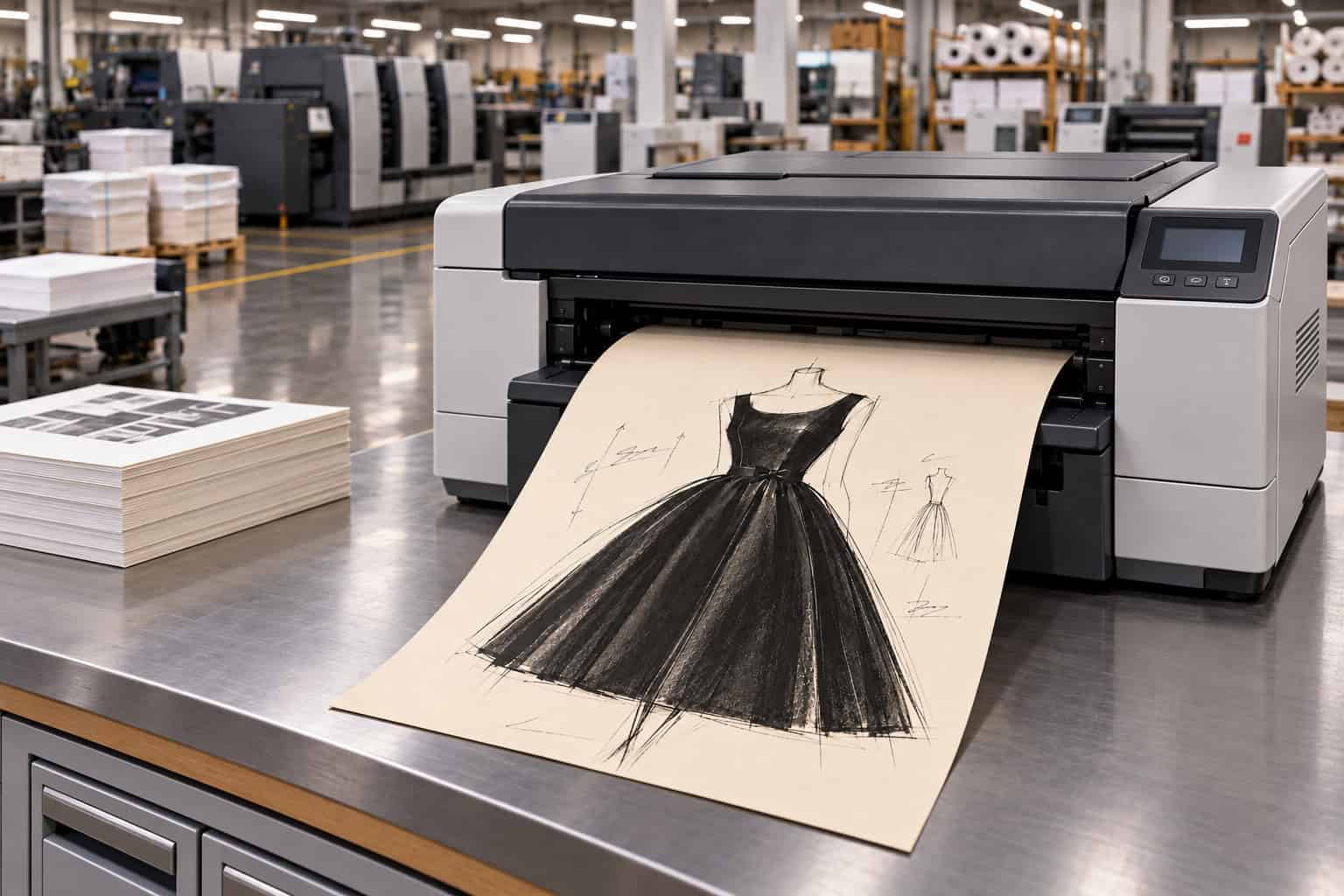


In the world of physical printing, paper is still paramount. It’s the base, the foundation, the look, feel, and finale of the printing process. So choosing the right paper for your project is an important decision, and having some basic knowledge of the unique qualities and characteristics of various paper stock is key.
COATED VS UNCOATED
There are a variety of substrate choices available for printing, but when it comes to paper
choices, they boil down to two basic types of paper stock: Coated and Uncoated. Here are the basics, and pros and cons of each.
Coated Paper
Coated paper is available in gloss (high-sheen), satin (less shiny), or matte (duller) finish, with a smoother feel than uncoated stock.
Pros
- More resistant to dirt
- Shiny materials give a professional look to magazines, book covers, etc
- Inks sit on top of paper, usually yielding sharper details
Cons
- Hard to write on coated paper
- Clay coatings are soft and more easily show marks from abrasion or handling
Uncoated Paper
Uncoated paper has no coating, creating a softer, elegant, and more porous or
textured finish than coated paper.
Pros
- Has an elegant feel, great for letterhead and envelopes; also better if going for a rustic look
- More porous and easier to write on than coated paper
Cons
- Porous surface can absorb dirt easier
Now, a question we sometimes hear from clients is: Why is my uncoated print so shiny? Using uncoated paper in a digital, toner-based printer can still result in a document with
a shine. This is because the toner-based inks used in common digital print methods sit on the paper and aren’t absorbed, even in uncoated stock. Toner is comprised of tiny, milled particles of colored plastic, which, during the printing process, are heated then cooled to make a solid layer that sits on top of the paper surface and has a bit of gloss or sheen. It reflects light to the eye much like offset ink on a coated paper.